Why Your "Derrick" Isn't Really a Derrick: The Hidden Cost of Standardization
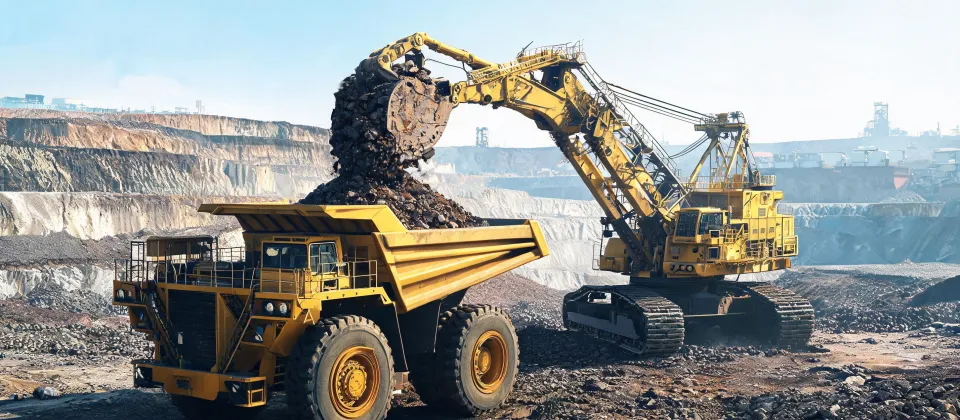
The Surface Illusion: A Derrick is a Derrick, Right?
From the outside, the energy industry looks pretty straightforward. A derrick is a derrick. You need one, you call a supplier, you get a quote, you order it. Simple. But I’ve learned that this assumption is one of the most expensive mistakes you can make.
I'm a procurement manager for a mid-sized drilling contractor. Handling orders for drilling equipment for seven years. I've personally made—and documented—enough mistakes to fill a small binder. In my first year (2017), I made the classic specification error: I assumed 'standard' meant the same thing to every vendor. Cost me a $12,000 redo plus a two-week delay. The derrick we got didn't fit our existing substructure. It was a 'standard' derrick, just not our standard.
The Real Problem: It's Never the Steel, It's the Standards
People assume the biggest risk in buying a derrick is the structural integrity of the steel. They worry about metallurgy, welding quality, and load ratings. And those are important. But the hidden reality is that the most common failure point isn't the metal—it's the interface.
Let me explain. A derrick isn't a standalone object. It's a connector. It connects to the substructure, to the crown block, to the traveling block, to the drill line. The real problem isn't 'is the steel strong enough?' It's 'will this part physically and operationally fit with the other ten parts it has to work with?'
I saw this happen in September 2022. A team bought a used derrick from a different state. The price was unbeatable. They thought they were saving the company $40,000. They didn't check the pin distances. The derrick had a 12-foot base, but their substructure was designed for a 10-foot base. The cost to modify the substructure nearly wiped out the savings. (Should mention: they also had to rent a crane for an extra week while the mods were done. That added another $8,000.)
'From the outside, it looks like vendors just need to work faster for rush orders. The reality is rush orders often require completely different workflows and dedicated resources.'
The assumption is that a derrick is a commodity. You can just swap one for another. The reality is that every operational environment is a custom puzzle. What fits at one site might be a forced fit at another.
The Cost of the Misconception: More Than Just Dollars
I've seen the cost of this misconception play out in three ways. First, there's the direct financial cost. We wasted $3,200 on a set of pins that were the wrong size for the mast. Second, there's the credibility cost. The drilling crew lost confidence in the procurement team. Third, there's the safety cost. A rig-up crew trying to make a non-standard part fit is a crew in a dangerous situation.
In my experience, the real cost isn't the price of the equipment. It's the integration cost. The lost time, the rework, the crane rental, the rushed engineering approvals. These are the costs no one mentions in the initial quote.
People think expensive vendors deliver better quality. Actually, vendors who deliver quality can charge more. The causation runs the other way. Vendors who can demonstrate that their derrick integrates seamlessly with common API standard substructures? They're worth the premium because they eliminate downstream headaches.
I have mixed feelings about rush order premiums. On one hand, they feel like gouging. On the other, I've seen the operational chaos a non-standard part causes—maybe they're justified when you're asking a supplier to interrupt their planned workflow and hand-inspect compatibility documentation for you.
The Only Solution That Works: Pre-Integration Verification
So what's the fix? Not a longer checklist. Not a more expensive vendor. The fix is verifying the interface before you sign the purchase order.
In my opinion, you should never approve a derrick purchase until you can answer three questions with 100% certainty:
- Base dimensions: Does it match your substructure exactly? (Including bolt patterns and pin locations.)
- Height and clearance: Will it reach the required drilling depth with your existing crown block and traveling block?
- Load path: Does the structural load path match your substructure's reinforced points? A derrick is only as strong as the connection to the ground.
According to the API 4G standard (American Petroleum Institute, latest revision), driller's mast minimum design criteria include specific requirements for base connection details. The spec doesn't define a universal 'standard' base. It defines the process for specifying the base your site requires. This is often misunderstood.
I learned to ask 'what's NOT included' before 'what's the price.' The vendor who lists all fees upfront—even if the total looks higher—usually costs less in the end.
Dodged a bullet when I started requiring a physical mock-up of the base connection before approving a new vendor. One vendor's 'standard' derrick had a 10.5-foot base instead of a 10-foot base. Half a foot difference. Found it on paper. Was one click away from ordering a complete mismatch. The 3D model review saved us a likely $15,000 retrofit.
To be fair, this requires more upfront work from the procurement team. You have to get drawings, compare dimensions, and sometimes visit the vendor's assembly yard. But it saves time later. And it prevents the kind of embarrassing, expensive mistake that gets your name attached to the incident report.
So the next time you see a 'standard derrick' for sale at a good price, remember: the price is only the beginning. The real cost is in the integration. And the only way to control that cost is to verify the connection points before anyone cuts a purchase order. Trust me—I learned that the hard way.