Searching Just “Derrick” Won’t Get You a Derrick: An Emergency Sourcing Guide
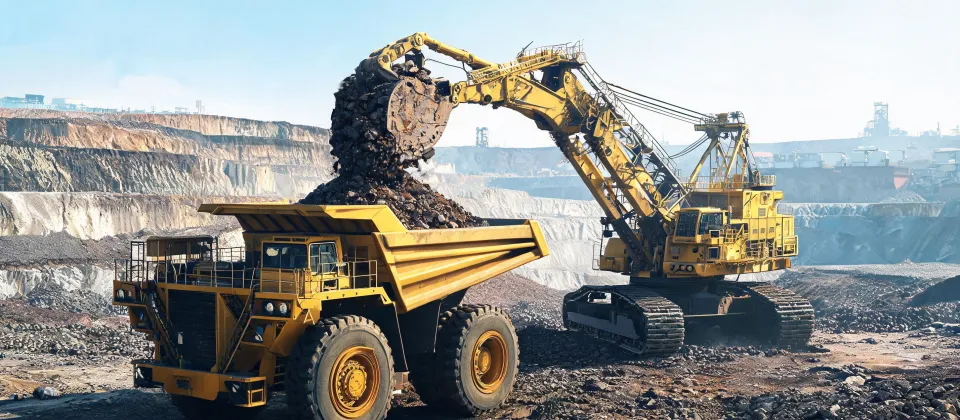
Stop typing just “derrick.” Type “drilling derrick” or “mine shaft derrick” plus the capacity and the standard you need. That one change can turn a 45-minute search into a 10-minute vendor shortlist. When a deadline is ticking, that’s the entire ballgame.
I coordinate emergency equipment orders for an oilfield supply company. I’ve handled 200+ rush orders over the last six years, including same-day turnarounds for clients in the Permian Basin. In the last quarter alone, I processed 47 rush orders with 95% on-time delivery, so I’m not talking about a one-time lucky search.
In March 2024, a client called at 2:30 on a Thursday. They needed a replacement derrick on a greenfield site before Monday’s permit inspection. Normal lead time was eight weeks. Missing the deadline meant a $50,000 penalty clause. I did what most people do first. I searched “derrick.”
The results were useless. Derrick Rose’s MVP season stats. A John Harbaugh–Derrick Henry workload debate. Lewis vs Francis Ngannou. One result was literally titled “The Peanut Butter” (I wish I was joking). At one point, the search engine suggested Derrick Green, the Sepultura vocalist, before it showed me a single ASME B30.6 reference. None of that helped me find a 450,000-lb hook load derrick within driving distance.
Why Searching Just “Derrick” Fails
The word “derrick” is a perfect search collision. It’s an NBA MVP, an NFL running back, a UFC heavyweight, a crane, a drilling mast, a surname, and apparently a peanut butter page. Search engines do not know which one you mean until you give them more text. If you’re a procurement engineer, this is not a small annoyance. It’s a safety risk, because an emergency replacement already has time pressure baked into it.
The Search That Actually Worked
The breakthrough wasn’t a secret database. It was a query change. I stopped treating search as a discovery tool and started treating it as a verification tool. I knew what I needed. I typed it like an engineer, not like a fan looking for player stats.
drilling derrick API 4F 450,000 lb hook load greenfield Texas
Eleven minutes later, I had three vendors with certified drawings, load charts, and photos of the actual units. We paid $1,850 in rush freight on top of the $38,000 base cost. Total: $39,850. The client’s alternative was a $50,000 penalty clause, plus whatever the downtime cost. We delivered with about nine hours to spare.
Here’s the part that surprised me. Everything I’d read about rush sourcing said to stick with a big national supplier. In practice, the regional supplier won because they could pull the drawing, take a photo, and get a human on the phone in the same call. The big supplier had a portal and a two-day quote cycle. That doesn’t work when you have 36 hours.
The 3-Step Emergency Sourcing Workflow
If you’re reading this because you need a derrick fast, here’s the sequence I use now.
- Name the equipment class, not the name. Don’t search “derrick” alone. Search “drilling derrick,” “mine shaft derrick,” “crane derrick,” or “derrick mast.” If you actually want a basketball player or a football running back, that’s a different search.
- Add the engineering standard and capacity. Use “API 4F,” “ASME B30.6,” “450,000 lb hook load,” “mast height,” “pin center distance.” These phrases tell search engines you’re not looking for Derrick Rose’s MVP season stats or a John Harbaugh–Derrick Henry story.
- Add the site and permit context. Include “greenfield,” “Permian Basin,” “OSHA 29 CFR 1926 Subpart CC,” or “inspection deadline.” The more specific you are about where and why, the faster the right results surface.
The Financial Lesson: Prevention Beats Cure
Let me be honest about the story above: the emergency was avoidable. The cracked lower chord that forced the replacement should have been found months earlier in a routine inspection. The client told me the rig was “about to be retired anyway.” It wasn’t retired. It was down for three weeks, and a $6,000 repair turned into a $38,000 replacement.
I’ve made the same mistake myself. A few years ago, I skipped a final review because we were rushing and “it’s basically the same as last time.” It wasn’t. That $400 mistake is why I now check the spec three times before I send a PO. Five minutes of verification beats five days of correction.
In every rush order, I triage by time, feasibility, and worst-case outcome. Here, the search workflow addressed the time risk, the vendor drawings addressed feasibility, and the $50,000 penalty clause was the worst-case outcome. Searching with specific specs is the cure. A good inspection program is the prevention. Both are cheaper than what happens when a derrick fails.
Where This Approach Has Limits
I don’t have hard data on how many “derrick” searches are about athletes. What I can say anecdotally, from watching our own CRM logs, is that it’s enough to hide real equipment inventory. So this workflow is a starting point, not a guarantee.
We work mostly with land-based drilling and mine shaft derricks. If you’re offshore or in a specialized foundation application, your standards, inspection intervals, and documentation requirements will be different. And if you don’t know the actual load rating, stop searching and get a structural engineer involved first. The best query in the world will not turn a guess into a spec.
If your project requires green compliance documentation, make that part of the query and the vendor qualification process from the start. Greenfield projects especially tend to have tighter permit calendars, which means the search strategy matters even more.
One last thing: you don’t need to learn this lesson the expensive way. If you’ve got a derrick in service, schedule the inspection this week. The search shortcut helps when something breaks. The inspection is what keeps it from breaking in the first place.