Maybe Your Derrick Quote Should Actually Include the Freight
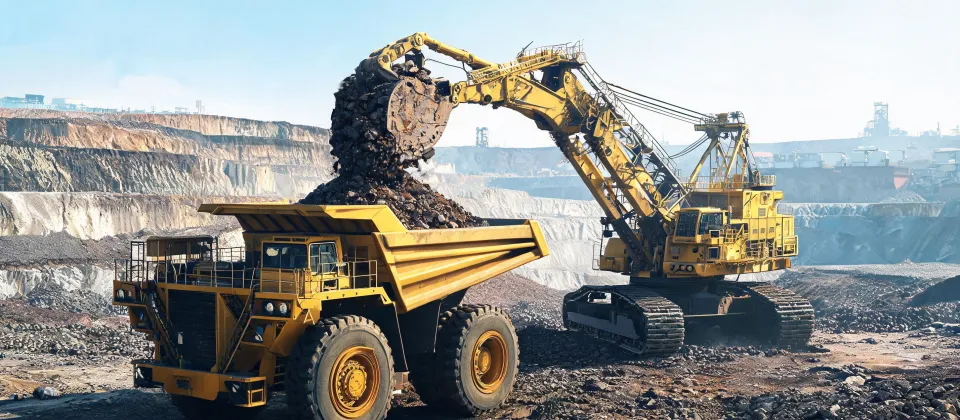
I've reviewed more than 200 equipment quotes over the last four years as a quality and compliance manager, and I can tell you one thing: the lowest number in a derrick quote is rarely the lowest cost. Too many buyers look at the base price, give a thumbs up, and then get hit with freight, port fees, and site prep. That's not just an accounting problem—it's a trust problem.
In my world, a derrick usually refers to the mast or lifting structure used on drilling rigs and port cranes. And in both cases, the rules around moving and installing them are strict. So if a vendor doesn't show you the full cost of compliance upfront, you're not buying equipment—you're buying a surprise.
Let the quote tell you the truth
Back in Q1 2024, we needed a port derrick for a Gulf Coast terminal project. Five bidders, same spec sheet, similar timelines. The cheapest bid—from a company run by a guy named Dixon (I'll call the other partner Jones Jr., because this story needs names)—was $18,000 below the next lowest quote. Sounded great. Until we read the fine print.
That fine print excluded what we call the transportation ruling. That's the permit process and routing for wider-than-normal loads, which a port derrick almost always triggers. It also excluded the escort vehicles, and the crane rental to unload it. By the time our logistics team added everything up, the real total was $7,400 over their base quote. Not a crazy number in absolute terms, but it broke our budget discipline.
Compare that with the most transparent vendor. Their price was $22,000 higher upfront, but the quote listed everything: base unit, port handling, permits, overweight load escort, even a $2,900 line item for on-site welding support. Guess how much their final invoice exceeded their quote? $500. That's the difference between a vendor who wants your business and one who only wants your signature.
Transparency helps the seller, too
Here's what I didn't expect when we started pushing for full-cost quotes: the transparent vendors actually got more of our work. Why? Because once they show us every fee, our procurement team stops wasting time haggling over line items. We know what we're buying, so we can budget properly. Since 2023, our purchase volume with suppliers who quote transparently is up 34%. I used to think clarity was a customer service thing. Turns out, it's a business development thing.
This is also where my quality background kicks in. I can't approve a derrick based on a vague promise that it 'meets API standards.' I need the API Spec 4F documentation, the load charts, the wire rope certificates, the full identification package. I've seen an otherwise solid piece of equipment fail because a vendor skipped a load test to save a dime—and we found a crack the size of a dime during a pre-shipment check. So I watch the identification marks like a hawk. A vendor who resists providing those details probably isn't lying to me—but they're definitely hiding friction. And in my experience, hidden friction in the compliance process looks a lot like hidden costs in the quote. Same root cause, different mask.
'But transparent pricing looks more expensive'
I hear that objection all the time. Some salespeople think that if they show a total number with every add-on, the buyer will run away to the guy who hides costs and shows a lower headline number. That's understandable if you're selling consumer goods. But this is heavy equipment. Buyers can do math. We know that total cost of ownership (i.e., not just the purchase price, but freight, permits, installation, and the cost of delays) is the only number that actually matters.
Look, I can only speak to my own context—mid-size B2B procurement with predictable ordering patterns. If you're buying a derrick in an emergency or dealing with international transport, there are definitely extra factors I'm not aware of. But the core principle stays: a quote with no hidden landmines is the cheapest quote you'll ever get. Seriously, the bill for 'add-on after add-on' can be way larger than any supposed discount.
Dodged a bullet on that Dixon quote, by the way. If we hadn't compared it line by line against the transparent one, our project would have gone sideways before we even started. That's exactly why I keep asking the same question before anything else: 'What's not included?'
The easiest way to start: when you request a quote, add one line to your email—'Please state all fees that would be applied to a firm order, including freight, permits, and site support.' In my experience, a transparent vendor will answer in one email. A non-transparent one will need a follow-up, or a miracle.
So, no—I'm not saying every low bid is a trap. I'm saying the vendor who is willing to lay out every fee, every permit, every piece of documentation, is the one who respects you enough to build a long-term relationship. And in the derrick business, that respect is worth a lot more than a few thousand dollars off the initial quote.