When Your Derrick Project Needs a Miracle: A 5-Step Emergency Procurement Checklist
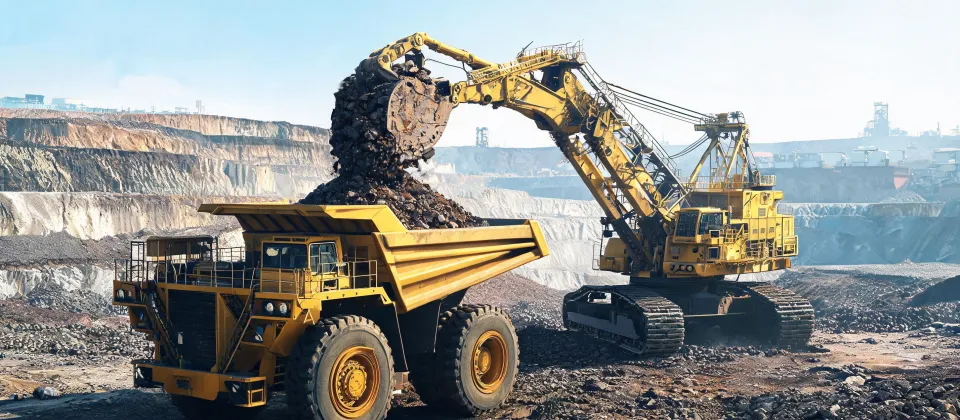
We've all been there. The derrick for the new well pad is a no-show. The drilling rig's mast suffered a catastrophic failure. Or your client just signed a contract that triples the scope of your mining operation, and you need key components shipped yesterday.
In my role coordinating emergency procurement for a heavy equipment supplier, I've handled 200+ rush orders over the last seven years, including same-day turnarounds for clients facing penalty clauses worth tens of thousands of dollars. When the clock is ticking on a derrick-related project, you don't have time for theory. You need a plan.
Here’s a 5-step checklist I use when a project needs a miracle. Follow this, and you’ll maximize your chances of getting the right equipment, on time, without getting burned.
1. Define Your Absolute Minimum Spec
This is the step most people skip, and it’s often the source of the biggest disasters. When you're desperate, it's tempting to call up a vendor and say, "I need a 1,000-ton drilling rig. ASAP." That's a mistake.
The vendor will hear "1,000-ton rig" and start quoting you a brand new, top-of-the-line model. But do you really need a brand new one? Do you need 1,000 tons, or is 800 tons sufficient with a modified substructure?
What I mean is that time pressure creates a fog. You need to cut through it. Before you make a single call, write down three things:
- The Non-Negotiable: The one technical spec that cannot be compromised. (e.g., "Must accept a top drive of X weight")
- The 'Nice to Have': Features you can live without. (e.g., "Integrated BOP handling system — can use a crane")
- The Deal Breaker: The condition that would make the equipment useless. (e.g., "Leg spacing is incompatible with our existing foundation")
In Q1 2024, I had a client call needing a 20,000-ft rated derrick. Normal lead time was 16 weeks. They had 5. By defining their absolute minimum spec, we found they could use a slightly older, refurbished 18,000-ft derrick with a minor reinforcement kit. That saved them 8 weeks. Had they just asked for "a 20,000-ft derrick," the answer would have been "16 weeks." The lesson: get specific to get creative.
2. Don't Call 'Generalists'; Call 'Specialists'
This sounds obvious, but panic makes you do weird things. You might be tempted to call the general industrial fabricator down the road because they "can make anything." They can't make a certified, load-tested derrick in a week. And if they promise they can, run.
I said 'call the specialist.' Actually, call three specialists. You need a panel of experts, not a single lifeline.
In my experience, the best resource for a critical derrick or rig component is a company that specifically does:
- Refurbishment & Recertification: They have inventory and can fast-track certification.
- Short-Lead-Time Fabrication: They have raw material stock and dedicated capacity for urgent jobs.
- Rental & Used Equipment Fleets: This is often the fastest path to a solution.
The vendor who said, "I can't get you a new 150-ton hook block in 10 days, but I have a fully recertified one from a 2022 decommissioned rig that we can ship tomorrow," earned my trust for everything else. A 'generalist' would have given you a price for a new one with a 4-week lead time and hoped you didn't ask too many questions. (Should mention: we had built in a 3-day buffer on that job anyway, so the early delivery was a godsend.)
3. Verify with a 'Triage Call'
You've found two specialists who say they can help. Now you need to quickly determine who is actually capable and who is just saying 'yes' to get the order. This is where a structured, 5-minute phone call (not email!) is critical.
I call this the Triage Call, and it has three questions:
- "What is the single biggest risk to a 10-day delivery on this specific item?" A good specialist will immediately tell you: "Getting the certified weld logs from our third-party inspector" or "The paint cure time will take 3 of those 10 days." A bad one will say, "Nothing, we've got it." That's a lie.
- "Who is your backup vendor for [specific component]?" This is a master stroke. If they pause or say, "We don't use backups," they haven't done this before. The right answer is, "We have a secondary supplier for the swivel; for the main structure, we'd rely on our own yard, but we have a priority slot confirmed."
- "What is your worst-case scenario quote?" Not your best price. Ask for the price if everything goes wrong — overtime, air freight for a sub-component, expedited NDT. If they can't estimate that, they are not a true partner for an emergency.
In Q3 2024, we needed a critical mast section in 72 hours. One vendor breezed through this call. The other gave me a lot of 'well, it depends.' We chose the first one. The second one called us 4 days later to say they couldn't source the steel. We would have lost a $25,000 contract.
4. Demand a 'Communication Cadence' in Your P.O.
This is the step that saved my team more than any technical innovation. When time is tight, silence from the vendor is terrifying. Is everything on track, or are they frantically trying to fix a mistake?
Your purchase order or contract for a rush job must include a mandatory communication schedule:
- Daily 10:00 AM Status Update: By email or phone. No exceptions.
- Notification of Any Deviation: Within 1 hour of discovery. Not "at the end of the day."
- Photo or Video Proof of Key Milestones: "Show me the certified weld inspector at work. Show me the load test."
I lost a contract in 2023 because we trusted a vendor's single 'all good' email. They were 'quiet' because they had a major issue with a casting. They were trying to solve it without telling us. By the time they did, it was too late to find an alternative. The delay cost our client their drilling schedule. That's when we implemented our 'No Silent Fridays' policy—meaning we demand a status report before the weekend, no matter what.
5. Plan the Drive, Not Just the Delivery Date
You've got the part. It's built. Now, how is it getting to your site? This is where many otherwise brilliant emergency plans fall apart. A 10-day fabrication might be undone by a 5-day trucking time that you didn't account for.
For heavy equipment like a derrick section or a large winch, this is non-trivial. You need to calculate:
- Permits: Are oversize/overweight permits required? This can take 2-3 days in some states.
- Escort Vehicles: Required for wide loads. Are they pre-booked?
- Site Access: Is your road wide enough for the trailer? Is the ground solid enough after a rain? I once had a $12,000 project stalled for a day because the 18-wheeler couldn't turn into a maintenance yard.
It's a cliché, but it's true: last-mile logistics are the killer. The delivery date on the P.O. isn't the date it leaves the factory; it's the date it's bolted down at 4:00 PM.
A Final Word on Know-It-Alls
If you've read this and think you can skip steps or find a vendor who says they handle everything with no issues, be careful. The vendor who claims they're a 'one-stop shop' that can build any part of your derrick—including the automation systems and mud pumps—in 5 days is probably overpromising. A good emergency partner knows their limits.
I'd rather work with a specialist who can nail a single complex component in 10 days than a 'miracles worker' who promises the moon in 5 but delivers a pile of problems in 15. The best call I ever made was to a vendor who simply told me: "We don't do emergency mast fabrication. That's not our strength. But call [Company X] in Tulsa; they're who we use for our own rush jobs." That honesty built a relationship that has lasted for years.
Prices as of Q2 2024 for heavy equipment logistics; verify current rates.