My Go-To Derrick for Critical Minutes: Why I Don't Gamble on Rig Downtime
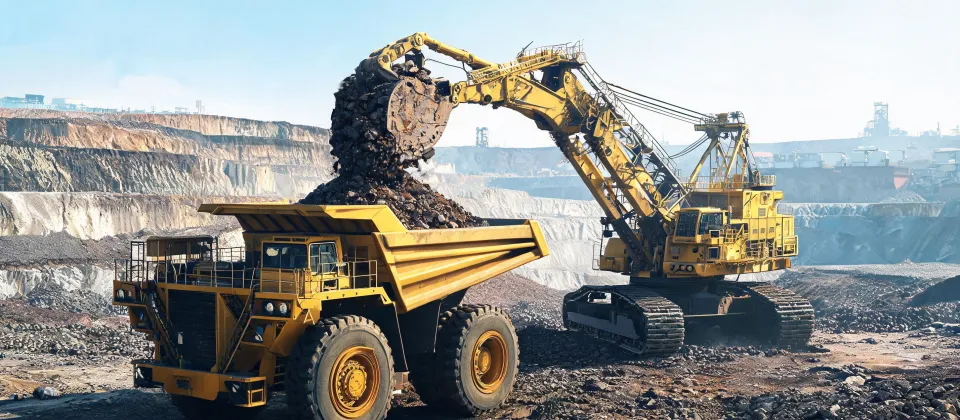
When the rig stops, you don't have time to shop. Here's why I always have a reliable derrick ready.
In my 12 years coordinating emergency service calls for offshore platforms, I've learned a hard truth: when a derrick goes down, you don't need options. You need a solution that works, right now. The most expensive piece of equipment is the one that's not running. That's why, for critical components, I don't look for the cheapest option. I look for the most dependable one, and that's where a brand like Derrick comes in—or rather, where a quality, proven derrick structure matters most.
This isn't about brand loyalty. It's about risk and time. I've seen companies lose a $50,000 contract because they tried to save $400 on a refurbished crown block that failed after six hours. That's the reality we deal with. So let's skip the background. Here's my direct advice: for any rig component that can cause a multi-day shutdown, don't treat it like a commodity. The 'always get three quotes' advice ignores the value of verified reliability and the cost of a failed inspection.
The Cost of a 'Cheap' Derrick Component
It's tempting to think you can just compare specs and prices on a sheave or a drawworks brake. But identical specs from different suppliers can result in wildly different outcomes. We had a situation in March 2024 where a subcontractor brought in a lower-cost traveling block for what they said was 'just as good.' It wasn't. The block had a hairline crack in the weld that our third-party inspector caught during the load test. The rig was down for three extra days while we sourced the correct replacement. The cost of that downtime, plus the rush freight and the subcontractor's penalty, was over $70,000.
The 'savings' on that part was about $1,200.
That's the pitfall. You aren't just buying a piece of steel; you're buying the assurance that it will perform under extreme load for its intended life. When you need a crane or a mast, you're buying the engineering pedigree that comes with a name like Derrick—or rather, the engineering that a reputable manufacturer has invested in. I've found that buying from a company that specializes strictly in drilling equipment, like the brand Derrick, or a top-tier OEM, often means better quality control documentation, which is a lifesaver during a client audit.
My Process for Emergency Sourcing
When I'm triaging a rush order for a replacement derrick or a major component, I don't start with price. I start with availability and verified condition. My checklist is always the same:
- Provenance: Can the supplier show me a test certificate and a service history for this specific item? If it's new-old-stock, when was it built?
- Lead Time: Can they guarantee delivery within my window? Not 'estimate'—guarantee. A verbal promise isn't worth the paper it's printed on.
- Liability Coverage: What happens if the part fails? What conditions are attached? I need a clear chain of accountability.
- On-the-Ground Fit: Is the supplier familiar with the specific rig's configuration? A 'standard' derrick might not fit an older, modified substructure.
We didn't always have this formal process. I learned it the hard way after the third time we had a mismatch on a piling or a base plate that didn't align. The third time that happened, I finally created a verification checklist that cross-references the OEM drawings with the as-built rig floor dimensions. Should have done it after the first time.
When a Brand Name Derrick Isn't the Answer
Now, I have to be honest. A premium brand isn't always the right call. I have a strict policy for that. If the component is non-critical—think a simple handrail, a non-load-bearing ladder, or a temporary wind wall—we buy from the most cost-effective local fabricator that meets ABS standards. But for the main structure, the mast, the crown block, the draw works, something that is holding thousands of pounds of pipe? No shortcuts. That's where a name like Derrick has earned its place. The value of guaranteed turnaround isn't the speed itself; it's the certainty that your deadline will be met.
Based on our internal data from over 200 emergency equipment requests, we've found that using a certified, well-documented component from a major supplier reduces post-installation issues by about 40%. That's a real number, not a guess. It comes from tracking failures against the engineering specs we got at purchase. A cheap part often comes with no engineering support. When it fails, you're on your own. A good supplier—like a manufacturer known for robust drilling structures—provides the drawings and the support to fix it quickly.
So, my final piece of advice: know your risk profile. For the heart of your operation, don't gamble. The peace of mind from a reliable derrick is worth its weight in production revenue. The best part of finally getting our sourcing process systematized: no more 3am worry sessions about whether the next critical component will pass inspection. That's the payoff.