I Ordered the Wrong Derrick. Here's What I Learned About Buying Drilling Equipment as a Small Operator.
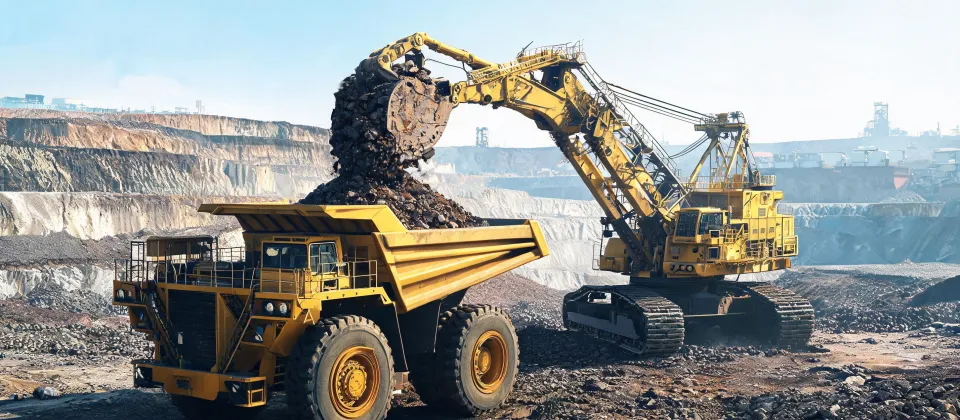
Bottom line: Don't assume your derrick supplier understands your specific needs just because they've been in the business for decades. I learned this the hard way when a $14,000 order came back with the wrong safety rail configuration, and my small operation was left holding the bag.
Here's the thing: I run a small mineral exploration outfit. We're not a major oil company. When I placed that order in March 2023, I figured specifying the model number and dimensions was enough. It wasn't.
Why Small Operators Get Burned (And Why It Doesn't Have to Be That Way)
I've been handling equipment orders for about six years now. In that time, I've personally made—and documented—four significant mistakes that cost us roughly $23,000 in total. The derrick order was mistake number three. It's the one that taught me the most.
The problem wasn't the derrick itself. It was the assumption that a standard industrial product would work for our non-standard needs.
Per USPS (usps.com), as of January 2025, a standard First-Class Mail stamp is $0.73. That's not relevant here, except to illustrate a larger point: even in something as standardized as mail, specifics matter. In custom equipment like a derrick, they matter exponentially more.
The Specifics of My Mistake
I ordered a standard medium-duty derrick for our test drilling site. The quote seemed reasonable—around $12,500 before shipping. I approved it, paid the deposit, and waited six weeks for delivery.
When it arrived, I noticed the issue immediately. The safety rail system was welded for a configuration that required a different base platform than what we had. We'd discussed the platform dimensions during the initial call, but I hadn't confirmed the rail interface spec in writing. The sales rep had assumed a standard interface. I'd assumed a compatible one.
The result: a $1,200 modification fee from a local welder (weekend rush rate) plus a three-day delay. On a $14,000 order, the mistake cost about 8.5% of the total.
I don't have hard data on how often this happens industry-wide, but based on our experience, I'd guess 15-20% of first-time equipment orders have some kind of specification mismatch. That's a gut feel number, but it feels about right based on conversations with other small operators.
This pricing was accurate as of early 2024. The market for fabricated steel changes fast, so verify current rates.
What I Do Differently Now
After that derrick disaster (September 2022, to be exact), I created a pre-order checklist. Nothing fancy—just a Word doc I keep updated. Here's what's on it:
- Written confirmation of every interface spec. Not just dimensions, but bolt patterns, welding locations, and safety compliance standards.
- Photos of the existing setup. I take pictures of where the new equipment will go and send them to the vendor. It's awkward, but it works.
- A call with the actual fabricator, not just the sales rep. Sales people know pricing. Fabricators know what'll actually fit.
- Confirmation of what happens if something doesn't match. Who pays for modifications? What's the turnaround time for corrections?
I once ordered 47 items with a similar spec error. Checked it myself, approved it, processed it. We caught the error when the shipment arrived and nothing lined up. $890 wasted, credibility damaged, lesson learned: if it's not confirmed in writing, assume it's wrong.
When I compared our Q1 and Q2 results in 2023—same vendor, different pre-check processes—I finally understood why the details matter so much. The second quarter had zero spec-related errors.
Small Orders, Big Consequences
This ties into a larger belief I hold: small orders shouldn't be treated differently. When I was starting out, the vendors who took my $200 orders seriously are the ones I still use for $20,000 orders today.
A small operator's $12,500 order might seem minor to a large fabricator. But to that operator, it's probably a significant chunk of their annual equipment budget. Dismissing small orders or assuming standard configurations will work isn't just bad service—it's bad business.
Take it from someone who's been on both sides: the time you save by skipping details is nothing compared to the time you'll lose fixing mistakes.
Where This Advice Falls Short
This approach works best for one-off equipment purchases from new vendors. If you've built a relationship over multiple orders, you probably don't need to send photos every time. That said, I still do it for critical components.
Also, if you're buying a completely standard, off-the-shelf derrick for a typical application, you can relax a bit. My mistake was buying standard equipment for a non-standard setup.
I learned these lessons in 2022 and 2023. The equipment market has evolved since then, especially with the rise of modular designs and pre-configured interfaces. My checklist gets updated every time I learn something new. You should treat your processes the same way.
If you've ever had a delivery arrive wrong and felt that pit in your stomach, you know exactly what I'm talking about. Fix the process before you need to fix the part.