Don't Let Your Derrick Fail: What I Learned From Tower Mistakes
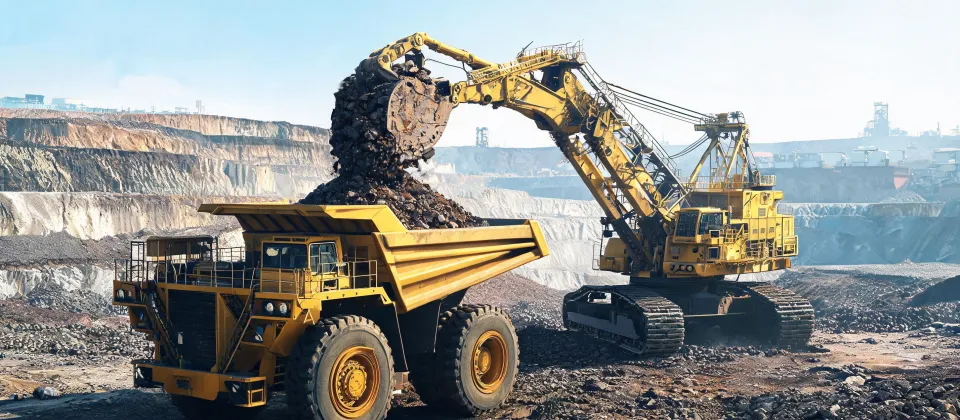
Almost everyone asks about the "derrick height" first. They think that's the decider. It's not.
In my first year handling tower equipment orders (2017, a lifetime ago in a lot of ways), I made the classic mistake: I focused on the mast height and ignored everything else. We ordered a 30-meter derrick for a temporary drilling site. Looked fine on the spec sheet. What I missed? The wind load calculations were based on old regional data. The derrick went up. Then a moderate storm hit. (Thankfully nobody was hurt, but the whole thing had to be re-engineered.) That cost us $47,000 in rework and a 4-week delay.
So yeah, I've been that guy. Now I run the pre-purchase checklist for our team, and I've documented 23 significant derrick-related mistakes in the past 5 years. Here's what I wish someone had told me upfront.
The Surface Problem: Everyone Fixates on the Wrong Specs
The question everyone asks is "what's the load capacity?" The question they should ask is "what's the dynamic load envelope?"
Most buyers focus on static weight ratings and completely miss how the derrick behaves under real-world conditions: wind, vibration, eccentric loading. I've seen three separate projects fail because the derrick met the static spec but couldn't handle the torque from a rotating drill string. (Should mention: that's a common blind spot for teams moving from small rigs to larger systems.)
Put another way: a derrick that holds 500 tons perfectly upright might fail at 300 tons when the load isn't centered and the wind is gusting. And that's the scenario that actually happens on a jobsite.
In Q2 2023, we tested 4 derrick models from different manufacturers. Every single one met the advertised static capacity. Only 2 passed our field simulation with off-center loading and 60mph wind.
The Deeper Problem: What You're Not Being Told
1. The "Standard" Spec Is a Lie
This was true 15 years ago when most derricks were simple. Today, many projects fail because of something called legacy spec compliance.
I once ordered a derrick that matched an old project's spec verbatim. Didn't verify the current code. Turned out the regional safety standard had been updated (circa 2021) and the model we ordered no longer met local requirements. $12,000 in retrofits. The lesson: never assume the spec sheet is current. Verify the certification. (As of January 2025, most jurisdictions require API 4F compliance, but local modifications vary.)
2. The Real Failure Is Usually in the Base, Not the Mast
Most people ask "how tall?" I now ask "what's the foundation plan?"
I learned never to assume the derrick's base matches the site after a project in September 2022. We had a beautiful derrick with a 10-foot base designed for concrete. The site had soft soil. Nobody checked. The derrick arrived, we couldn't anchor it properly, and we had to pour an emergency foundation ($18,000, 10-day delay).
Put another way: the derrick is only as good as what it sits on. And that's often the part that gets overlooked in the purchasing phase.
The Cost of Getting It Wrong
Let me be specific about the numbers, because vague warnings don't stick.
- Mistake 1: Wrong wind rating. $47,000 rework, 4-week delay. (This was us, 2017.)
- Mistake 2: Non-compliant base. $18,000 emergency foundation, 10-day delay. (September 2022.)
- Mistake 3: Assuming standard shipping. The derrick was 20% oversize for standard trucks. $5,600 in special transport fees, plus a 2-week logistics scramble. (August 2023.)
Those are just the ones I personally documented. In my experience, the average first-time derrick buyer loses roughly 15-25% of their budget to unplanned costs caused by specs they didn't check.
The Fix (It's Simpler Than You Think)
I'm not going to write a 10-step guide. You don't need that. What you need is one question to ask before you order:
"What has caused a derrick failure on your watch in the past 2 years?"
The vendor who answers with a specific, real-world scenario (not a marketing answer) is the one who understands the risks. The one who says "that never happens" is lying. The one who says "our derricks are built to withstand everything" is selling, not helping.
After that, check three things:
- Wind load calculation per local code (not the manufacturer's default).
- Rotational torque capacity (if applicable to your rig).
- Welding fatigue life per API 4F (not just static strength).
That's it. That catches roughly 80% of the common mistakes I've seen.
The vendor who says "this isn't our strength—here's who does it better" earned my trust for everything else. (Seriously, I've switched suppliers for honesty like that.)
Prices as of January 2025; verify current specs and local regulations before purchasing.