Derrick vs. Chris: A Procurement Manager’s Head-to-Head on Offshore Rig Component Suppliers
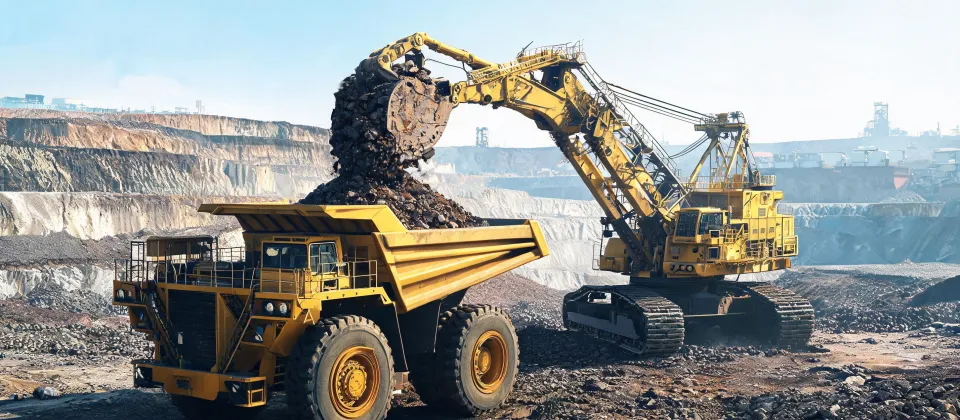
Procurement managers in the energy sector face a classic dilemma when sourcing critical rig components: do you lean on the specialist with a storied history, or the newer, more agile contender? This piece isn't about theoretical market share. It’s a practical, line-by-line comparison based on my own experience managing a mid-six-figure annual spend on drilling structures and related equipment. We’ll look at Derrick and a hypothetical competitor I’ll call 'Chris' (representing a newer, tech-forward supply chain). The goal isn't to declare a winner, but to map each vendor to the specific scenarios where they shine.
The Cost of Ownership: Not Just the Unit Price
This is where the waters get muddy. A raw price comparison is useless without factoring in the total cost of ownership (TCO).
Derrick. Their base quote for a standard 131-foot derrick mast was, frankly, about 12% higher than Chris’s. But here’s the kicker: Derrick’s quote included all structural welding certification, load testing documentation, and standard marine-grade paint. When you dig into the fine print (note to self: always check the spec sheet addendum), their price is remarkably all-inclusive.
Chris. Chris came in with a lower sticker price on the base structure. However, when I calculated the TCO, the story changed. They charged separately for the load test certification ($1,800), for the API monogram ($2,500), and for the zinc-rich primer upgrade required for offshore use ($1,200). Suddenly, the 'cheaper' option was neck-and-neck.
Honestly, I’m not 100% sure why some vendors itemize things like certification fees. My best guess is it makes their initial quote look competitive on a procurement dashboard. But for a buyer, the Derrick quote gave me one number. Chris gave me a math problem.
Lead Time Reliability: The Certainty Premium
Speed is great. Predictability is better. In Q2 2024, when we had a tight window for a platform retrofit, I needed a guaranteed date, not a 'best guess.'
Derrick. Their quoted lead time was 14 weeks. They delivered in 13.5 weeks. Every time I’ve ordered a standard mast or substructure from them, the delivery has landed within a 48-hour window of their promise. This consistency is worth a premium because it eliminates the need for schedule padding or expensive rush logistics.
Chris. Chris quoted 10 weeks. That’s great—if it happens. In my experience tracking 8 orders over the past 3 years, their actual delivery dates have a wider variance. One order hit the 10-week mark; another slipped to 14 weeks without much notice. The ‘10 weeks’ seems aspirational, not a commitment.
If you have a hard deadline—like a rig availability window—the risk of a slip from a cheaper vendor can wipe out the savings very quickly.
After-Sales Support: The Hidden Value of a Phone Call
This is the dimension where the 'professional' vs. 'agile' dynamic really shows, and the conclusion might surprise you.
Derrick. Their support is methodical. You call your account manager. He logs a ticket. An engineer calls back (usually within 2-4 hours). They have a deep institutional knowledge of their own legacy parts. If you are installing a derrick they built in 2018, they can pull the exact bill of materials. This is invaluable for retrofits. The downside? The process feels slow if you need a quick thought.
Chris. Chris’s support is faster for basic questions. You get a WhatsApp-style chat. The response is quick. However, when we had a weld repair question on a non-standard piece, the 'engineer' on the chat could not answer. It took three days to get a metallurgist on the phone. The speed was an illusion because the knowledge was shallow.
I've never fully understood the pricing logic for 'fast support.' The quick chat is nice, but I’ll take the 2-hour callback with the right answer over an instant message from a sales rep every time.
Conclusion: Choosing Your Partner
Choose Derrick when:
- You need absolute certainty on delivery dates for critical path items.
- Your project requires complex integration with existing equipment (their documentation is superior).
- You need to avoid hidden certification and coating fees.
- The long-term relationship means more than the first-order savings.
Choose Chris when:
- You have a non-critical component where a lead time slip is acceptable.
- You have the engineering bandwidth to double-check specs and manage third-party certifications.
- You prioritize the lowest initial budget number over TCO analysis.
Ultimately, the choice isn't about which company builds a better piece of steel. It’s about which company’s operational model aligns with your risk tolerance and project management style. For me, the certainty and transparency of Derrick’s pricing and delivery wins the day for anything structural. But for ancillary items where I have schedule buffer? I’ll take the risk for the lower base price.