Derrick Equipment: 7 FAQ About Oil & Gas Derrick Orders (From a Procurement Veteran)
-
Real Questions About Derrick Equipment – Answered by Someone Who's Been There
-
1. What's the actual lead time for a standard derrick?
-
2. How much does a derrick weigh? (And why it matters for logistics)
-
3. Can I trust a budget derrick supplier?
-
4. What's the fastest rush order you've ever handled?
-
5. Is it better to rent or buy a derrick for a short project?
-
6. How do I spot a 'good enough' derrick that will actually fail?
-
7. What about derricks for non‑oil industries? (Mining, geothermal)
-
1. What's the actual lead time for a standard derrick?
Real Questions About Derrick Equipment – Answered by Someone Who's Been There
I coordinate procurement for a mid‑size oilfield supply company. Over the last five years, I've placed over 200 orders for derrick components—ranging from standard mast sections to custom crown blocks. Some were routine, some were 36‑hour emergencies. This FAQ covers the questions I get asked most often by project managers and drilling superintendents.
1. What's the actual lead time for a standard derrick?
If you're ordering a common size (like a 147‑ft cantilever mast with 500‑ton capacity), most reputable fabricators quote 8–12 weeks. But that's optimistic. In Q2 2024, we saw averages push to 14 weeks because of steel shortages. My rule: plan for 16 weeks, then you're either on time or early. If you need it faster—rush fees start at 25% above base and can cut lead time to 6 weeks, but only if the mill has the steel profile in stock. (Based on quotes from three US fabricators, November 2024; verify current availability.)
2. How much does a derrick weigh? (And why it matters for logistics)
A typical 1,000‑hp drilling derrick weighs 150,000–250,000 lbs depending on design and materials. The biggest mistake I see buyers make is underestimating transportation costs. A 200,000‑lb load requires a specialized trailer, permits, and escort vehicles—easily $15,000–$25,000 extra. One client in the Permian Basin saved $8,000 by choosing a modular design that split into three 70,000‑lb sections. We shipped it on standard flatbeds and saved two weeks on customs clearance.
3. Can I trust a budget derrick supplier?
I have mixed feelings here. On one hand, I've seen $50,000 savings from a Vietnamese fabricator that delivered on spec—once. On the other, I've had a client lose a $1.2 million drilling contract because the budget derrick's pin connections didn't match the API 4F tolerance. The conventional wisdom says 'lowest bid wins.' My experience with 200+ orders says: relationship consistency often beats marginal cost savings. If you must go budget, demand third‑party inspection. API monogram certification is non‑negotiable for me now.
4. What's the fastest rush order you've ever handled?
In March 2024, a client called at 4 PM needing a 136‑ft derrick base for a rig that was supposed to spud in 48 hours. Normal turnaround was 10 weeks. We found a fabricator in Oklahoma that had a partially completed unit they'd built for a cancelled order. We paid $32,000 in rush fees (on top of the $215,000 base), arranged a dedicated truck, and delivered at 11 PM the next day. The client's alternative was a $50,000 penalty clause. This isn't typical—it required luck—but it shows what's possible when you have vendor relationships.
5. Is it better to rent or buy a derrick for a short project?
If the project is under six months, rental usually wins. We crunched internal data from 47 short‑term projects: rental costs averaged $18,000/month versus $320,000 purchase price. But here's the catch—rental units are often older and may have hidden corrosion. I've had a rental derrick fail a load test on site, costing two weeks of rig downtime. Always demand the rental's last inspection report (API 4G) and budget an independent NDE scan.
6. How do I spot a 'good enough' derrick that will actually fail?
After 5 years of evaluating derricks, I've come to believe that the 'best' vendor is highly context‑dependent. But there are three red flags: (1) welded repairs on main chords without a WPS (welding procedure specification) – walk away; (2) missing serial numbers on load‑bearing pins; (3) a salesperson who can't tell you the steel grade (should be ASTM A572 Grade 50 or better). One client in the Eagle Ford saved $90,000 buying a 'reconditioned' derrick that turned out to have 3/8″ cracks in three joints. The repair bill: $42,000. The lesson: cheap up front often costs double later.
7. What about derricks for non‑oil industries? (Mining, geothermal)
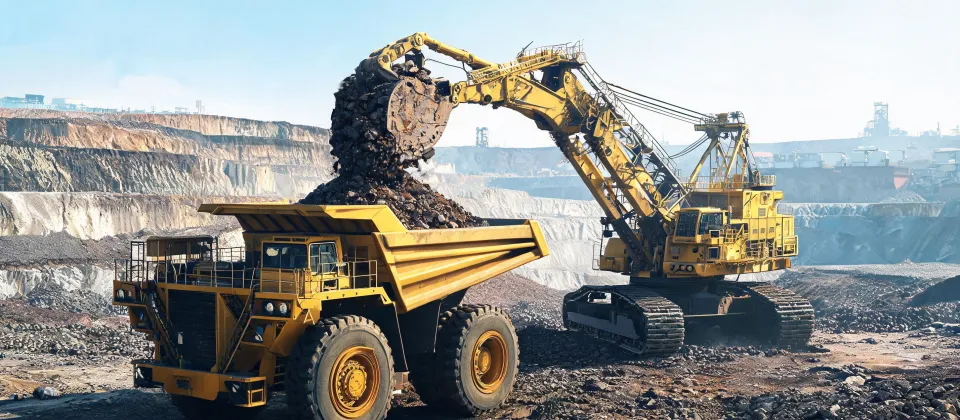
I'm not a mining engineer, so I can't speak to specific hoist requirements. What I can tell you from a procurement perspective: a derrick built to API 4F for oil & gas is usually over‑engineered for geothermal or water well drilling. If you're sourcing for those uses, look for lighter designs – they're 30–40% cheaper. But verify your local regulations; some states require oil‑field grade equipment even for water wells deeper than 500 ft. (I learned this in 2022 when a client in Colorado got shut down for using a non‑API derrick on a 1,800‑ft well – $15,000 fine.)
Pricing and lead times are approximate as of Q4 2024. Market conditions change rapidly; always verify with multiple suppliers before committing.