Buying a Derrick? Use This Scenario-Based Guide to Get It Right
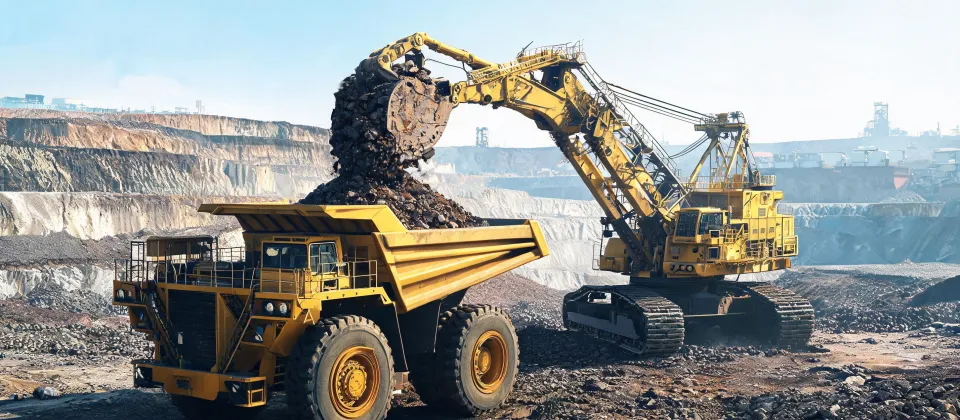
If you’re responsible for buying a derrick—the mast structure used in drilling and mine hoisting—you already know there’s no single “best” one on the market. What works for a long-term conventional gas well program can be a terrible fit for a six-month exploration job.
I manage equipment purchasing for a 260-person energy services company. We spend roughly $1.4 million a year on drilling structures, spare parts, and related services. I’ve been in this role since 2020, and in that time I’ve bought new masts, refurbished units, and survived one emergency replacement I’d rather not repeat. Here’s the framework I wish someone had handed me on day one.
First, Know Your Operating Scenario
Before you start comparing load charts, ask yourself three questions:
- How long will this derrick be in service?
- How custom are your well programs?
- Does your team have the maintenance and resale capacity to support a non-standard choice?
Your answers will put you in one of three buckets: long-term standardized operations, complex and evolving programs, or short-term and emergency needs.
Scenario 1: Long-Term, Standardized Operations
If you’re running the same type of well program for years, buy new. And here’s where I’ll push back on the well-worn advice to “just get the cheapest spec that meets API 4F.”
It’s tempting to think that a derrick is a derrick as long as it passes inspection. But identical specs from different manufacturers can produce very different uptime numbers once you factor in controls, wear parts, and service responsiveness. API Specification 4F sets the design and fabrication baseline for drilling structures, but compliance isn’t the same as quality. It’s the floor, not the ceiling.
For this scenario, look for:
- High-quality structural steel and a proven track record in similar climates.
- Digital monitoring or an easy retrofit path. Why does this matter? Because predictive maintenance can catch a worn crown bearing before it takes down the whole rig.
- A vendor with local spare parts inventory. Shipping a critical component from another continent is a deal-breaker when your rig makes money every hour it runs.
“An efficient setup isn’t just a cost center,” a colleague of mine likes to say. “It’s what keeps your cost per foot below budget.”
I didn’t fully believe that until we standardized our mast fleet and cut maintenance-related downtime by a third. In 2024, we added load and vibration sensors to two main masts. The system flagged a cracked pin in the crown block two weeks before a planned inspection. The replacement cost $4,000 and two hours of rig time. Without that warning, we could have been looking at a full mast failure.
Too many buyers compare only purchase price. I’ve seen the same 1,000-hp derrick quoted within a $40,000 range, and the cheapest option ended up costing the most once freight, commissioning, first-year spares, and the first service visit were added up. Ask for a total cost breakdown, not just a quote.
The catch: a fully loaded new derrick is expensive, and it takes discipline to get sign-off. But if your utilization rate is high, the math usually works.
Scenario 2: Complex or Frequently Changing Well Programs
Now suppose your jobs vary a lot. Different depths, different pipe loads, changing rig configurations. The temptation here is to buy a highly customized derrick to cover every edge case.
I have mixed feelings about fully custom derricks. On one hand, they’re the only way to handle unusual load paths or tight locations. On the other, they’re harder to maintain, harder to resell, and slower to deliver.
What I’d do in this scenario:
- Look for a standard mast with an upgrade path: extra racking capacity, interchangeable crown blocks, or modular sections that can be added later.
- Bring your drilling engineers into the vendor conversation early. The derrick doesn’t operate alone; it’s part of a mud system, hoisting system, and safety envelope.
- Don’t let procurement over-index on low price. A $30,000 savings on specs can disappear the first time the mast design doesn’t fit a new top drive arrangement.
Here’s the thing: in complex operations, flexibility often beats raw capacity. Buy the derrick that your crew can adapt, not the one that wins a spec-sheet contest.
And if you’re worried about lead time, start the engineering conversation before the budget is approved. The worst time to discover that your standard plan can’t support a planned upgrade is when the maintenance window is already booked.
Scenario 3: Short-Term Projects and Emergency Replacements
For a three-to-six-month project, many buyers assume leasing is the only choice. Sometimes it is. But when we did a four-month remediation job in 2023, the ballpark rental quote came back at 70% of the cost of a good used derrick. After the job, we sold the used mast for almost what we paid. Bottom line: the “obvious” choice can be the most expensive one.
The risk, of course, is that a used derrick fails or arrives with hidden wear. That’s a real concern. On a previous project, a rebuilt derrick saved us $180,000 upfront but then needed a bearing replacement within six weeks. The vendor covered the part, but we still lost two drilling days. So if you go the used route, mitigate it:
- Get a third-party inspection report from a certified structural engineer.
- Check load test and non-destructive testing (NDT) records for the mast and weld seams.
- Negotiate support: spare parts, a service visit, or a buy-back clause.
If the project is genuinely short and you don’t have a resale network, leasing still makes sense. But run the numbers with disposal costs built in before signing. A lease can also look cleaner on paper than it actually is, so watch for overtime usage clauses and inspection charges.
How to Know Which Scenario You’re In
Sometimes you’ll have a gut sense, but it helps to be mechanical. Answer these:
- Will this derrick be used more than 150 days per year for at least three years? → Scenario 1.
- Do two or more wells in your program have significantly different casing programs or load requirements? → Scenario 2.
- Is the project shorter than six months, or did equipment fail and you need something fast? → Scenario 3.
If you’re caught between the first two, ask which constraint hurts more: downtime or inflexibility. If downtime is the bigger risk, lean toward new standardized equipment. If inflexibility is the bigger risk, leave more room for custom engineering. It’s not a perfect system, but it beats relying on a salesperson’s “universal solution.”
Where the Decision Actually Goes Wrong
Looking back, the biggest mistake I’ve made wasn’t choosing the wrong mast. It was choosing the wrong vendor relationship. I spent weeks comparing load charts and prices, then picked the supplier with the lowest quote. They met every spec. But when we needed a replacement sheave on short notice, their lead time was twice as long as the “more expensive” competitor’s. That one delay cost us more than the price difference on the entire derrick.
These days, I put service capability in the same bucket as load capacity. If a vendor can’t prove they’ll support you when the rig is quiet, the initial savings is a false economy.
So, no—there’s no universal best derrick. But there’s almost always a right derrick for your operation. Classify your needs first, run the scenarios, and don’t let a simple price comparison be the only vote.
When you get that part right, the equipment almost starts to run itself. Almost.